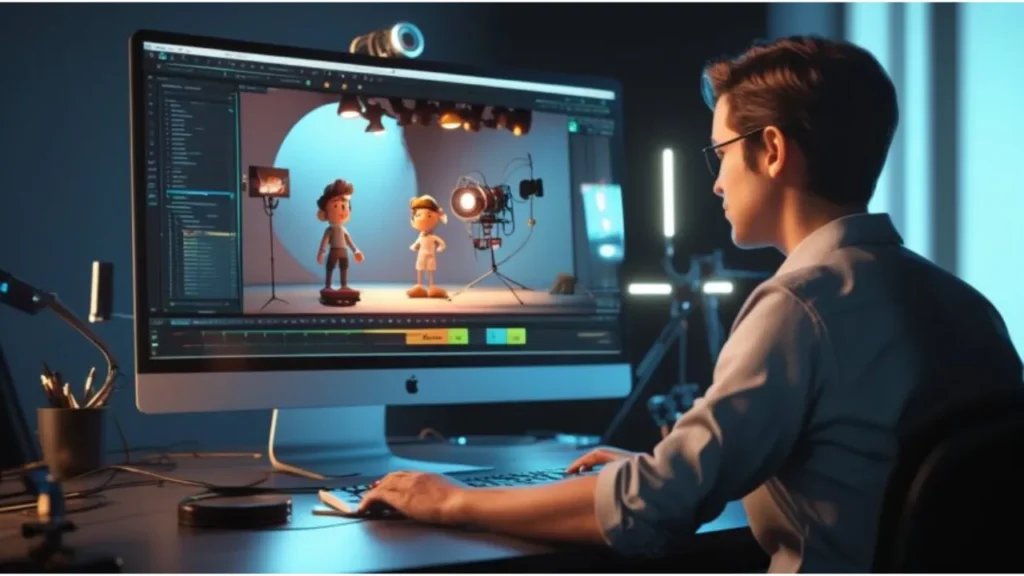
The Source Filmmaker has emerged as one of the highly esteemed animation tools in the gaming and movie industry. It enables artists to create high quality animation with assets developed on the Source Engine. Nevertheless, it does not take long before several users find out that the importing of custom models, textures and animations is not as easy as simply dragging files onto the software. Every asset should be converted through a process of structuring. This is referred to as sfm compile.
Learning the sfm compile works is a must to any one who desires to have stable projects, smooth playback and professional results in rendering. A lot of animation problems that are found within SFM, including broken models, missing textures, or broken maps, are not creative problems. They are problems of collection.
Everything is detailed and explained by this comprehensive guide. It includes definitions, workflow, installation, frequent problems, further optimization, troubleshooting, performance tuning, and realistic best practices.
What Is SFM Compile?
Users who are searching about this topic frequently require any simple explanation and not any technical one. The meaning should be applied and have a direct meaning to the animation workflow.
Sfm compile The organized approach to transforming unprocessed 3D resources into forms readable by the Source Filmmaker allowing them to be read, rendered and procedurally animated correctly by the Source Filmmaker. Raw files like SMD, TGA or VMF cannot be loaded directly in SFM. The engine has particular compiled formats such as MDL of model, VTF and VMT of textures, ANI of animations and BSP of maps.
This step will make sure that all the assets are optimized and properly connected to the animation environment. In the absence of correct compilation, the data cannot be interpreted correctly by SFM, and the assets will be missed, or errors in the rendering can occur.
Why Compilation Is Mandatory in Source Filmmaker?
Novices are trying to input the raw models in SFM and end up perplexed when they do not see anything. The reason is simple. Only compiled formats are supported by the software.
Compilation carries out some important roles. It transforms non-Source-compatible file types. It checks file paths and material links. It links textures and rigs appropriately. It creates animations to use on the timeline. It makes sure that the maps are loaded correctly within the engine.
Without the step of compilation, or a mistake in its process, users can encounter distortion of texture, glitches in animation, illumination failures, or complete crashes of the application. Proper sfm compile guards projects against such problems and enhances reliability in general.
File Formats Involved in the Compilation Process
Understanding file types helps creators avoid mistakes. Different asset categories require specific compiled outputs. Before reviewing the table below, it is important to remember that raw creation formats are different from engine-ready formats. Compilation bridges that gap.
| Asset Category | Raw File Example | Compiled Output | Purpose Inside SFM |
| 3D Model | .SMD | .MDL | Loads character or prop models |
| Texture | .TGA | .VTF / .VMT | Applies surface materials |
| Animation | .SMD | .ANI | Controls motion and timing |
| Map | .VMF | .BSP | Builds environment scenes |
Each compiled format allows SFM to interpret geometry, lighting, movement, and material behavior correctly. Missing or incorrectly compiled formats prevent assets from functioning as intended.
Step-by-Step Workflow of SFM Compile
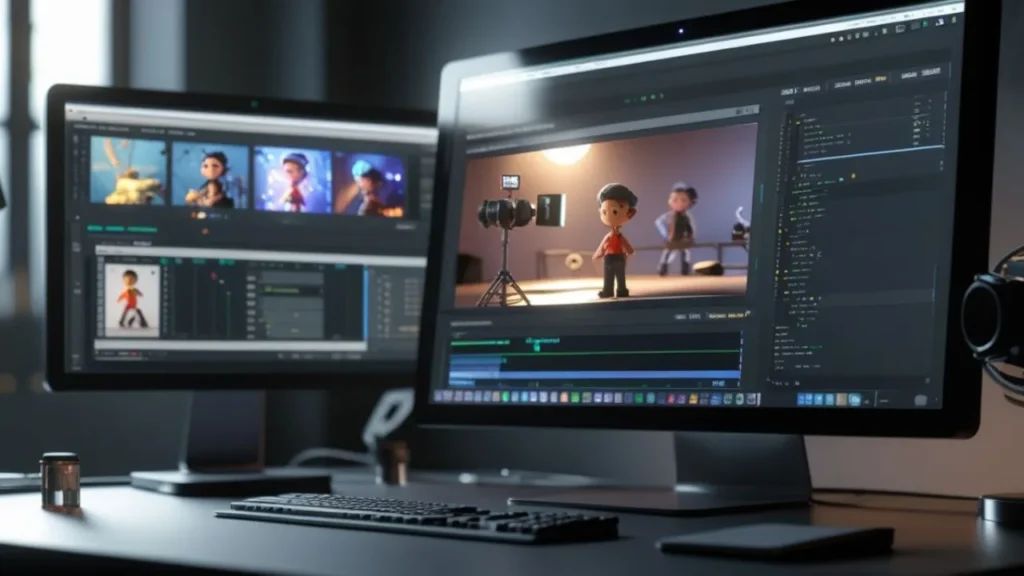
Structured instructions that are very clear on the right procedure are beneficial to many users. A rigorous operating process minimizes the mistakes and enhances efficiency.
The suggested process involves sorting all unprocessed resources into well-organized folders. You should ensure that the texture files are appropriately attached in model definitions. Set build options, such as proper input and output paths. Compile with command-line utilities (or scripts). Peruse the compile log about warnings and errors. Lastly, run the compiled asset in Source Filmmaker.
This orderly movement of the assets will make the process of moving the assets to the creation phase through to the animation phase a seamless process. Omitting any of the steps leads to higher chances of technical issues in the future of production.
SFM Compile: Installation and Initial Setup
Any compile process should be properly installed before starting any process. Unfinished installation frequently results in failure when recompiling over and over again. Installation is generally done by downloading the tool into a trusted repository and unpacking the files into a stable directory and installing the necessary dependencies, which may include such components as Source SDK or Python tools as indicated. Once it is installed, the user is expected to attach the compile tool to the directory containing his/her Source Filmmaker files and ensure that the file paths are set accordingly.
It is advised to test with a small sample model once it is installed. It is this step which ensures that the system is aware of the existence of directories and able to generate compiled results without errors.
Common Compilation Errors and Solutions
Even experienced users encounter errors during compilation. Understanding common causes helps resolve them quickly.
Before reviewing the table below, it is important to note that most errors result from file path issues, missing dependencies, or formatting inconsistencies.
| Error Type | Common Cause | Recommended Fix |
| Missing Texture | Incorrect material path | Verify folder structure |
| Model Not Loading | Missing dependency | Install required SDK tools |
| Animation Distortion | Rig mismatch | Review QC configuration |
| Compile Failure | Unsupported file format | Convert to accepted format |
Reading compile logs carefully often reveals the exact issue. Most errors can be resolved without reinstalling the entire system.
Comparing SFM Compile With Other Tools
Several tools support Source Engine asset processing. However, their purposes vary. Understanding the differences helps users select the correct workflow solution.
The comparison below outlines key differences for user clarity.
| Tool Name | Primary Purpose | Interface Type | Best Use Case |
| Crowbar | Compile and decompile models | Graphical Interface | Beginner-friendly workflows |
| Studiomdl | Model compilation | Command-line | Advanced manual control |
| VTFEdit | Texture editing and conversion | Graphical Interface | Material adjustments |
| Hammer Editor | Map creation and compilation | Graphical Interface | Environment design |
| SFM Compile | Complete SFM asset optimization | Script / CLI | Professional SFM projects |
While alternative tools exist, mastering sfm compile provides centralized control over the animation preparation pipeline.
Best Practices for Reliable Compilation
Regular patterns enhance the outcome in the long run. Organizations and file management are important in professional workflow. Keep track of simple and clean file names. Do not use deep and confusing hierarchical folders. Test small scenes prior to assembling large scenes. Periodically save original raw files. Check QC programs prior to running. Utilization of these practices will decrease the rate of errors and enhance stability of the project in general.
Conclusion
Learning sfm compile turns the animation generation process into a way of uncertain experimentation to a systematized technical implementation. The creators, who are aware of the compilation process, are able to control more the aspect of asset stability, performance, and rendering reliability.
Good organization, regular testing and thorough log analysis will bring good reliable workflow and reduce the disruption. Using the best practices and optimization strategies, users are able to achieve a high level of efficiency and quality of animation in the projects.
Creative freedom and technical confidence are further empowered in the long run through learning sfm compile thoroughly. It enables Source Filmmaker users to concentrate on storytelling and filmmaking, and have a stable and professional production pipeline.
Also Read About:- QRPay44 Online Gaming Platform in Malaysia – Games & Bonuses