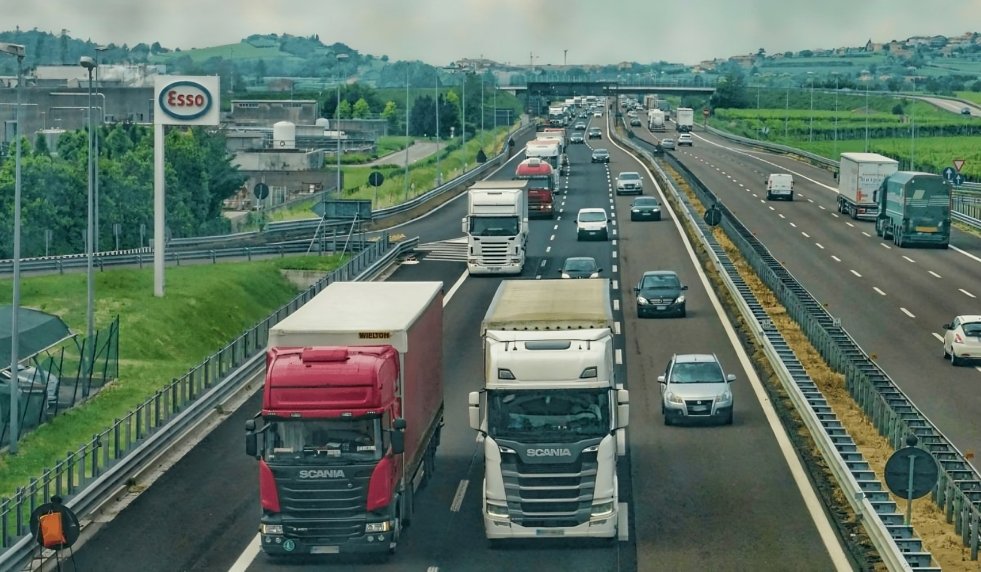
A serious trucking crash can leave families facing pain, medical bills, vehicle loss, and difficult questions. The cause is often layered. A driver may make an error, yet earlier choices by a carrier, repair vendor, broker, loader, or parts maker may have set the stage for danger. Lawyers must trace blame with care, because each decision can explain how preventable harm reached the road.
Shared Responsibility
Crash reconstruction starts with facts, not assumptions. Investigators review timing, speed, braking, cargo weight, route pressure, and maintenance history. A truck accident lawyer in Chicago may examine those records together, because one unsafe act rarely tells the whole story. That wider review can show whether business decisions, missed warnings, or ignored safety rules contributed to the collision.
Driver Conduct
Drivers remain central to any crash review. Fatigue, distraction, unsafe speed, missed mirrors, or poor braking can turn seconds into trauma. Weather and traffic also demand judgment. A careful review may include phone data, logbooks, dash video, drug testing, and witness statements. Those details help show whether conduct behind the wheel met commercial driving standards.
Carrier Decisions
Carriers control the work environment long before a truck moves. Hiring, training, route planning, supervision, and discipline all affect public safety. A company that keeps a risky operator active may share blame. Tight delivery windows can also pressure drivers into poor choices. Dispatch notes, safety audits, violation histories, and personnel files often reveal how management handled known risks.
Maintenance Failures
Heavy trucks depend on reliable brakes, tires, lights, steering, and coupling systems. Minor defects can become catastrophic under highway weight. A carrier may delay repairs, or a shop may miss a worn component during service. Inspection sheets, invoices, fault codes, and roadside reports can expose neglect. Mechanical evidence often explains why a driver could not avoid impact.
Cargo Problems
Loading mistakes can change how a tractor-trailer handles. Unbalanced freight may shift in a curve, during braking, or after a lane change. Excess weight can overheat brakes and strain tires. Shippers, loaders, and warehouse teams may share fault if they ignored securement rules. Scale records, bills of lading, seal logs, and photographs often become key proof.
Broker Pressure
Freight brokers can influence safety through carrier selection. Choosing a trucking company by price alone may create risk if safety records show repeated violations. A broker may also set timing demands that encourage unsafe conduct. Contracts, emails, load postings, carrier profiles, and vetting notes can show whether warning signs were clear before assigning the load.
Manufacturer Defects
Some crashes begin with a failed product. A tire may separate, a brake part may fracture, or a guard may fail during impact. Product claims require engineering review and physical evidence. Experts may inspect damaged parts, compare recall histories, and study design data. If a defect contributed to injury, the manufacturer may become part of the fault analysis.
Road Conditions
Road design and maintenance can also worsen a trucking crash. Missing signs, broken lighting, faded lane markings, unsafe work zones, weak barriers, or damaged pavement may increase harm. Claims involving public agencies often carry shorter notice periods. Photographs, maintenance logs, construction plans, and traffic studies can show whether authorities should have corrected a roadway hazard sooner.
Evidence Matters
Shared blame becomes clearer when victims preserve records quickly. Commercial cases may involve electronic control data, driver logs, fuel receipts, inspection reports, dispatch messages, video, and repair files. Some materials can get overwritten or discarded during normal business cycles. Preservation letters help protect those records. A reliable timeline can connect each act to the final collision.
Fault Percentages
Insurers and courts often assign fault by percentage. One party may bear most responsibility, while others hold smaller shares. Those numbers can affect settlement value, trial risk, and recovery. Each side may try to shift blame away from itself. Strong evidence helps show how separate failures combined, rather than allowing a single visible mistake to hide more substantial causes.
Conclusion
A serious trucking crash rarely gets explained by a single moment alone. Driver error may appear first, but company pressure, poor repairs, unsafe loading, weak broker screening, defective parts, or hazardous roads may also contribute. Identifying every responsible party gives injured people a fuller account of what happened. It also supports fair recovery and encourages better safety practices across commercial transportation.