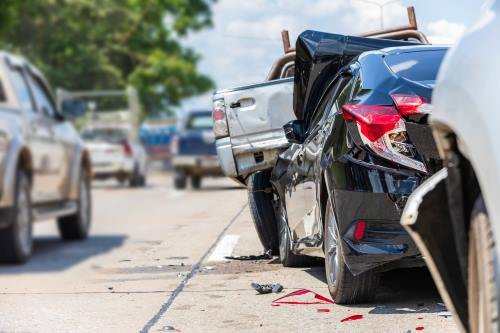
A fatal multi-vehicle highway crash can leave a family facing grief, financial strain, and unanswered questions. Several drivers, vehicles, insurers, and roadway conditions may have contributed to the collision. Investigators must determine how the crash began, who caused later impacts, and which conduct led to the death. A wrongful death claim addresses legal responsibility and the losses suffered by surviving relatives. The process starts with evidence and continues through insurance review, liability analysis, and filing deadlines.
Why Multi-Vehicle Crashes Create Difficult Claims
A chain-reaction crash rarely has one obvious cause. One driver might follow too closely, another could change lanes without warning, and a third vehicle might strike the wreck at highway speed. Each event can affect the severity of the final injuries.
Traffic-camera footage, vehicle data, phone records, witness accounts, and roadway evidence can help reconstruct the sequence of events. Families often face additional questions after catastrophic wrecks, particularly when several vehicles, commercial drivers, or disputed insurance policies are involved. A careful reconstruction can show whether one driver caused the first collision, whether another increased the danger, or whether separate acts combined to cause the death.
Investigators also examine lighting, weather, lane markings, pavement conditions, warning signs, and emergency response. A defective vehicle part or unsafe roadway condition can create additional parties with potential responsibility.
Who Can Bring A Wrongful Death Claim?
State law determines who can file a wrongful death action. In many jurisdictions, a personal representative brings the case for the estate, while specific surviving relatives receive compensation under statutory rules.
Eligible claimants often include a surviving spouse, children, or parents. Some states recognize claims for other dependent relatives. The person filing the case must follow local deadlines and distribution rules, which vary by jurisdiction.
A wrongful death action usually seeks compensation for losses connected to the death. Those losses can include medical expenses incurred before death, funeral costs, lost income, lost household services, and the family’s loss of companionship. Some states also permit damages for the decedent’s conscious pain and suffering.
Proving Liability After The Crash
Reconstructing The Collision
A reconstruction specialist can analyze vehicle positions, impact points, skid marks, debris fields, and event data recorder information. The analysis must connect each act to the fatal outcome, not merely show that a driver was present.
Police reports provide useful starting information, but they do not decide civil liability. Investigators can identify inconsistencies between witness statements, physical evidence, and electronic records. A traffic citation can support a claim, but the family still must prove that the conduct caused the death.
Preserving Evidence
Vehicles involved in a fatal crash should remain available for inspection. Repairs, salvage, or disposal can erase evidence concerning braking, steering, seat-belt use, airbags, and collision forces.
A family should preserve photographs, medical records, death certificates, insurance letters, employment records, and witness communications. Attorneys can send preservation notices to vehicle owners, trucking companies, insurers, government agencies, and businesses holding camera footage.
Identifying Every Responsible Party
The driver who caused the first impact is not always the only possible defendant. A second driver could have contributed by speeding or driving while distracted. An employer might face responsibility for an employee’s conduct during work. A vehicle manufacturer or maintenance provider could face a claim if a mechanical failure contributed to the crash.
Each theory requires separate proof. A claim against a commercial operator often requires records concerning driver training, hours worked, vehicle maintenance, and dispatch instructions.
Insurance And Settlement Issues
Several liability policies may apply after a multi-vehicle crash. Available coverage depends on the drivers, vehicle owners, employers, and policy terms. Insurance companies often investigate quickly and might request statements before the family understands the available evidence.
Families should avoid recorded interviews, broad medical releases, and settlement agreements without legal review. An early payment can affect later claims, especially when injuries, estate losses, or other responsible parties remain uncertain.
Uninsured or underinsured motorist coverage can matter when a responsible driver lacks sufficient liability insurance. The policyholder’s coverage might provide compensation, subject to policy language and state requirements.
Deadlines And Immediate Actions
Wrongful death statutes of limitation restrict the time available to file a lawsuit. The deadline can depend on the date of death, the defendant, the claimant, and the state involved. Government defendants often face separate notice requirements that expire sooner.
Families should obtain the crash report, identify witnesses, secure vehicle records, and preserve digital evidence promptly. They should also collect wage information, benefit records, household expense documents, and funeral invoices. Early organization helps establish liability and document the death’s financial impact.
Conclusion
A wrongful death claim after a highway pileup depends on a precise account of each impact and the conduct that caused the fatal injuries. Families should preserve vehicles and electronic evidence, avoid premature insurance statements, and confirm every filing deadline under applicable state law. A prompt review by a wrongful death attorney can identify responsible drivers, employers, insurers, and product or roadway issues before evidence disappears. The next step is gathering the crash report and all available records.